

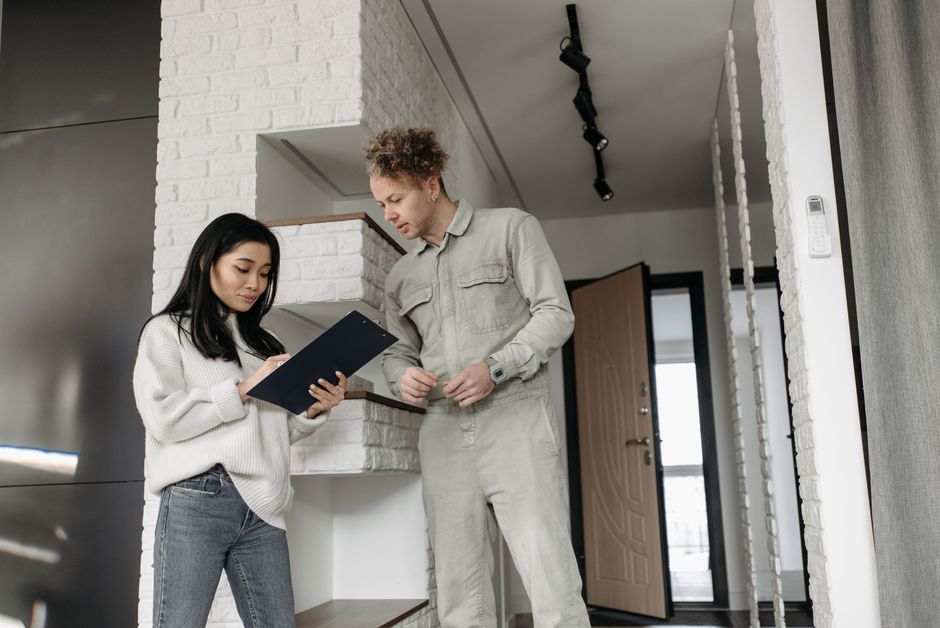
The Lovettsville Home Inspection Checklist: What to Look, Listen, and Smell For
Buying a home in Lovettsville is an exciting journey. Whether you’re drawn to a historic farmhouse with stories etched into its walls or a sleek, modern build with the latest amenities, you’re investing in a unique piece of Loudoun County charm. But beneath the surface of fresh paint and appealing curb appeal lies a complex network of systems that determine a home’s true health. A proper home inspection isn’t just a formality; it’s a deep, sensory investigation into your potential new home.
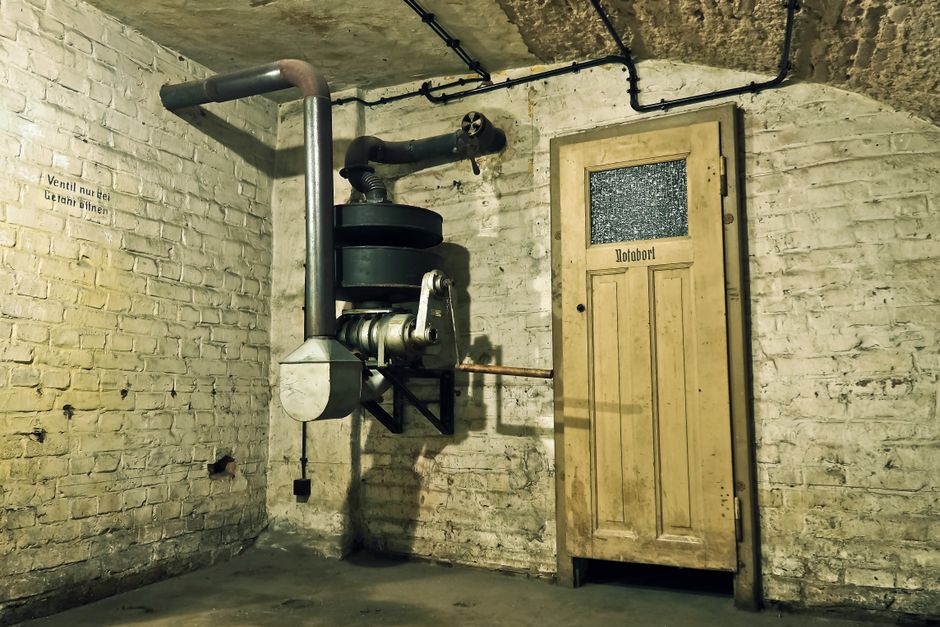
This is where a buyer needs to become a detective, using their eyes, ears, and even nose to uncover the property’s secrets. At realestatelovettsville.com, we leverage our deep local knowledge and insights into real estate technology to guide our clients through this critical process. To truly discover the charm of Lovettsville real estate, you must first ensure the property is a sound, safe, and secure investment. This checklist will empower you to do just that.
Key Takeaways
- A comprehensive home inspection in Lovettsville should go beyond a visual check, engaging your senses to look, listen, and smell for potential red flags.
- Focus on major systems and structural components first: the roof, foundation, HVAC, electrical, and plumbing are critical to a home’s health and value.
- Certain smells (musty, sewage, gas) and sounds (buzzing, dripping, banging) are immediate indicators of potentially expensive problems that require professional evaluation.
- Partnering with an experienced Lovettsville realtor from realestatelovettsville.com provides expert guidance in navigating inspection findings and negotiating repairs.
TL;DR
A home inspection is a sensory investigation into a property’s condition. Pay close attention to the home’s exterior (roof, foundation), interior systems (HVAC, plumbing, electrical), and any unusual sounds or smells. These clues can reveal hidden issues like water damage, pests, or failing equipment. An expert Lovettsville realtor is your best asset for interpreting the results and protecting your investment.
What Is a Home Inspection and Why Is It Crucial in Lovettsville?
A home inspection is a non-invasive, visual examination of a property’s condition, and it’s your single best tool for making an informed purchase in Lovettsville. This process is your opportunity to understand the home’s true state before you are financially committed. In a town like Lovettsville, with its rich blend of historic properties and new construction, an inspection protects you from unforeseen costs by uncovering potential issues before you close the deal. This knowledge gives you critical leverage for negotiation and, most importantly, provides peace of mind. Here at realestatelovettsville.com, we guide buyers and sellers through this landscape, and this checklist will empower you to walk through a property with a more critical eye, ear, and nose.
What Should You Look For on a Home’s Exterior?
On a home’s exterior, you should look for issues with the roof, foundation, and drainage systems, as these are primary sources of water damage. Water is a home’s number one enemy, and the vast majority of significant, costly problems start from the outside and work their way in. A thorough exterior inspection is your first line of defense. Pay close attention to how the property is designed to manage water, from the very top of the roof down to the soil it sits on.
Roof and Gutters
The roof is the home’s primary shield against the elements. Even small deficiencies can lead to major interior water damage.
- Shingle Condition: Scan the entire roof for shingles that are missing, cracked, or curling at the edges. Curling shingles are often a sign of an aging roof that has been exposed to significant heat and is nearing the end of its lifespan.
- Patching Signs: Look for areas where shingles are a different color or texture. This can indicate a temporary patch job that may be covering up a more significant problem.
- Gutters and Downspouts: Gutters should be securely attached to the fascia boards and free of debris like leaves and twigs. Crucially, check where the downspouts terminate. They should extend several feet away from the foundation to direct water away from the home, not pool against it.
Foundation and Siding
The foundation is the literal base of your investment. While the siding provides a protective skin, the foundation provides structural integrity.
- Foundation Cracks: Walk the entire perimeter and scan for cracks. Thin, hairline vertical cracks are often due to normal concrete curing and settling. However, larger horizontal or “stair-step” cracks in brick or block foundations can signal serious structural movement and require evaluation by a structural engineer.
- Siding Integrity: Look for warped, rotting, or damaged siding panels. For wood siding, gently poke at suspicious areas with a screwdriver; if it’s soft and spongy, you’re likely dealing with rot or termite damage.
- Grading and Drainage: Stand back from the house and observe the slope of the ground. The soil should slope away from the foundation on all sides. Negative grading, where the ground slopes toward the house, funnels water directly against the foundation, leading to leaks, moisture in the basement or crawlspace, and potential structural damage.
Windows, Doors, and Decks
These elements are common points of failure for water intrusion and energy loss.
- Frame Condition: Inspect the frames of all windows and doors, especially the sills, for signs of peeling paint, discoloration, or soft wood, which indicate rot.
- Window Seals: Look for condensation or a foggy appearance between the panes of double-pane windows. This indicates a broken seal, which significantly reduces the window’s insulating properties. According to the U.S. Department of Energy, heat gain and heat loss through windows are responsible for 25%–30% of residential heating and cooling energy use.
- Decks and Porches: Carefully walk on all decks and porches, feeling for soft or bouncy spots underfoot. Vigorously shake the railings to ensure they are secure. Check the support posts and the ledger board (where the deck attaches to the house) for any signs of rot or insect damage.
What Are the Key Systems to Inspect Inside a House?
Inside a house, the key systems to inspect are the plumbing, electrical, and HVAC, as they are critical to the home’s daily function and safety. These are the functional heart and lungs of the home, and failures can be both incredibly disruptive and expensive to repair or replace. Modern professional inspectors often utilize real estate technology like thermal imaging cameras to spot hidden electrical hot spots or moisture behind walls that would be invisible to the naked eye.
Plumbing System
A home’s plumbing is an extensive network that needs to work flawlessly.
- Water Pressure: A simple but effective test is to turn on the shower and then flush a toilet and run a sink faucet simultaneously. If the water flow from the shower dramatically decreases, it could indicate low pressure, undersized pipes, or corrosion buildup in older galvanized plumbing.
- Leaks and Stains: Open every cabinet under every sink and look for active drips, chalky residue on pipes, or dark water stains on the cabinet floor. Check the base of all toilets for any signs of leaks or discoloration on the flooring.
- Water Heater: Locate the water heater and check the manufacturer’s label for its age. The average lifespan is about 8-12 years. Look for any signs of rust or corrosion on the tank, especially at the bottom, which could signal an impending failure.
Electrical System
A faulty electrical system is a major safety hazard. Pay close attention to the age and condition of its components.
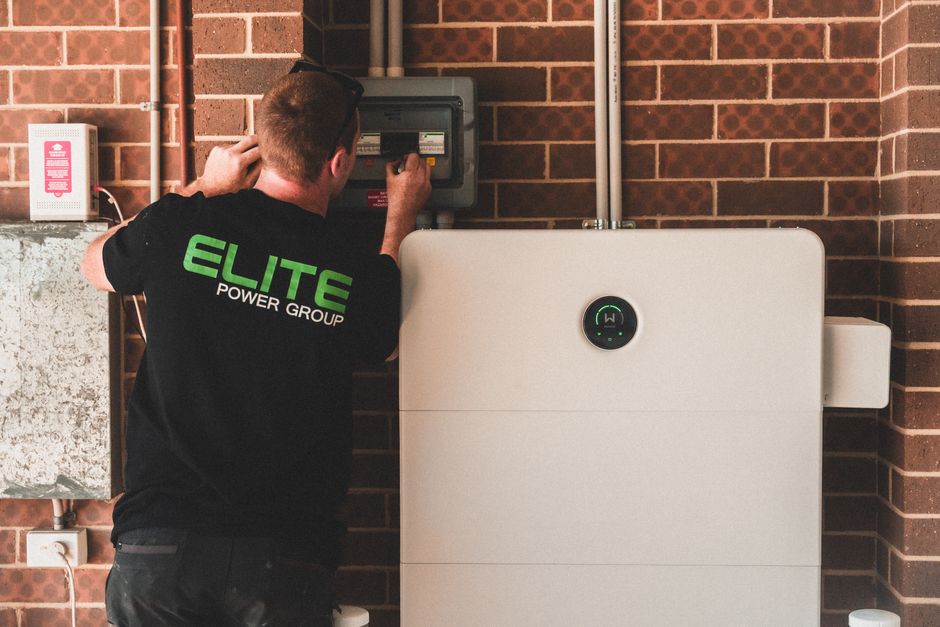
- Electrical Panel: Find the main panel. Modern homes should have circuit breakers, not an older fuse box. An outdated panel may not be able to handle the electrical load of modern appliances and could be a fire risk. Look for clear labeling of the circuits.
- Outlets and Switches: A simple outlet tester is an inexpensive tool that can tell you if an outlet is wired correctly. Test a representative number of outlets and light switches in every room.
- GFCI Protection: Modern safety standards require Ground Fault Circuit Interrupter (GFCI) outlets in areas where water is present, such as kitchens, bathrooms, garages, and outdoors. These outlets have “test” and “reset” buttons and are designed to prevent electric shock. Note any standard outlets in these areas that haven’t been updated.
HVAC System (Heating, Ventilation, and Air Conditioning)
The HVAC system keeps you comfortable year-round and represents one of the most expensive components in a home.
- Unit Age: Find the data plates on both the indoor furnace/air handler and the outdoor condenser unit. A quick search of the model and serial number can reveal the manufacturing date. HVAC systems typically last 15-20 years, and replacing one can be a significant expense.
- Functional Test: Regardless of the season, turn on both the heat and the air conditioning. Let each system run for at least 10-15 minutes to ensure it produces hot or cold air as intended.
- Service History: Look for a service sticker placed on the unit by an HVAC technician. This can tell you the last time the system was professionally maintained, giving you a clue about how well it has been cared for.
What Warning Signs Should You Listen For During an Inspection?
During an inspection, you should listen for unusual sounds like banging pipes, buzzing electrical panels, or rattling HVAC units, which signal potential system failures. What you hear—or don’t hear—can be just as telling as what you see. A quiet, smooth-running home is a positive sign, while a chorus of bangs, drips, and buzzes should raise immediate red flags. Turn off any music or TVs and take a moment to just listen.
Plumbing Noises
- Water Hammer: Turn a faucet on full blast and then shut it off quickly. If you hear a loud bang or thud inside the walls, this is known as a “water hammer.” It’s caused by a shockwave in the pipes and can eventually lead to damaged joints and leaks.
- Gurgling Drains: After running water in a sink or flushing a toilet, listen for gurgling sounds from nearby drains. This often indicates a problem with the plumbing vent system, which can lead to slow drains and sewer gas odors.
- Running Toilet: A toilet that constantly runs or periodically refills on its own (known as a “phantom flush”) is not just wasting water; it’s a sign of a failed internal component that needs replacement.
Appliance and System Sounds
- Electrical Buzzing: Stand near the electrical panel and listen. A faint, low hum is normal for some panels, but any loud or persistent buzzing, crackling, or sizzling sound is a serious warning sign of a loose connection or a failing breaker and requires immediate attention from an electrician.
- HVAC Rattling: When the furnace or A/C kicks on, it should be a relatively smooth whoosh of air. Loud clanking, rattling, or high-pitched squealing can indicate problems ranging from a loose part to a failing blower motor or compressor.
- Appliance Grinding: If appliances are included, run the garbage disposal and dishwasher. Grinding or struggling sounds can indicate a failing motor or a foreign object lodged in the mechanism.
What Smells Could Indicate a Serious Problem in a Home?
Smells like must, mold, sewage, or gas can indicate serious problems such as water intrusion, plumbing failures, or dangerous leaks in a home. Your nose is one of your most effective tools for detecting issues that aren’t visible. Never dismiss a strange or unpleasant odor, and don’t let air fresheners or scented candles mask what the house is trying to tell you.
Musty and Moldy Smells
A persistent damp, earthy, or “old basement” smell is a major red flag. This odor is produced by mold and mildew, which thrive in the presence of excess moisture. Pay close attention to this smell in basements, crawlspaces, laundry rooms, and bathrooms. Unchecked moisture can lead to wood rot, structural damage, and poor indoor air quality. As detailed in our guide, that old musty smell isn’t charming, it’s dangerous, and it points to an underlying problem that must be addressed.
Sewage or Gas Odors
- Gas Leaks: A rotten egg or sulfur smell is the scent added to natural gas to alert you to a leak. If you smell this, do not turn any lights on or off. Leave the house immediately, and call the utility company from a safe distance.
- Sewer Gas: An odor of sewage inside the home can indicate a problem with the plumbing drain or vent system. It could be as simple as a dried-out P-trap in an unused drain or as complex as a cracked sewer line.
Other Olfactory Clues
- Smoke Odors: A lingering smoky smell could be from heavy cigarette use, which can be very difficult and costly to remediate from drywall and flooring. It could also indicate a past fire or a malfunctioning fireplace or chimney that isn’t drafting properly.
- Pet Odors: Strong pet odors, particularly from cat urine, can deeply penetrate subflooring and be nearly impossible to remove without replacing the affected materials entirely.
How Does a Lovettsville Realtor Help With the Home Inspection?
A Lovettsville realtor helps by interpreting the inspection report, advising on which issues are significant, and negotiating repairs or credits on your behalf. The inspection report can be a daunting, 50-page document filled with technical jargon and photos of defects. The team at realestatelovettsville.com doesn’t just help you find a home; we act as your advocate and strategic advisor to ensure it’s a sound investment.
Deciphering the Report
An inspector’s job is to find and report on every potential issue, no matter how small. We help you cut through the noise and understand the difference between minor cosmetic fixes, routine maintenance items, and major “deal-breaker” defects. We provide context based on our experience with Lovettsville’s housing stock, explaining what might be a common finding in a 100-year-old home versus a serious deficiency in a 5-year-old one.
Negotiation Strategy
Once the issues are prioritized, we craft a data-driven negotiation strategy. Based on the severity of the findings and current market conditions in Lovettsville, we’ll advise on the best course of action. This could involve requesting the seller to perform specific repairs before closing, negotiating a price reduction to cover future costs, or asking for a seller credit at closing.
Connecting You with Professionals
If the inspection uncovers a potential major issue with the foundation, roof, or electrical system, the inspector will often recommend further evaluation by a specialist. We maintain a network of trusted, licensed, and insured local contractors, structural engineers, electricians, and plumbers in the Lovettsville area. We can help you quickly get quotes for potential repairs, which provides you with concrete numbers to use in negotiations.
Final Thoughts: Your Partner in Lovettsville Real Estate
A home inspection is a critical checkpoint in your home-buying journey, and this checklist serves as your starting point for a more confident and observant walkthrough. By engaging all your senses, you can begin to understand a property’s story long before you read the inspector’s report. But a checklist alone isn’t a substitute for professional expertise. Navigating the complexities of Lovettsville’s unique properties, from interpreting technical reports to negotiating effectively, is where the guidance of a dedicated team makes all the difference. At realestatelovettsville.com, we believe that discovering the charm of Lovettsville real estate begins with a confident and informed purchase.