


Moving is a whirlwind of to-do lists, packing tape, and cardboard boxes. It’s a major life event that can be stressful for everyone involved—and that includes the furry, feathered, or scaled members of your family. For our pets, a move isn’t just a change of scenery; it’s a complete upheaval of their territory.
But with a little extra planning and care, you can turn a potentially traumatic experience into a smooth transition for your beloved companion. This guide will walk you through everything you need to know, from pre-move preparations to settling into your new home. After all, a happy pet will certainly make moving easier for the entire household.
Before the First Box is Packed: Pre-Move Prep
Preparation is your best friend when it comes to moving with pets. Starting these steps well in advance will reduce stress for both you and your animal. And don’t forget to consult your real estate agent. They have likely seen this process dozens of times and may have advice for you.
- Visit Your Vet: Schedule a check-up before you move. This is the perfect time to ensure all vaccinations are up-to-date, get a copy of your pet’s medical records, and ask for a health certificate if you’re moving to a new state. It’s also a great time to confirm your pet is microchipped and that the contact information is current.
- Acclimatize to the Carrier: For many pets, the carrier only appears for trips to the vet. You can change this perception by leaving the carrier out in your home for several weeks before the move. Place a comfy blanket, treats, or favorite toys inside to help your pet see it as a safe, comfortable den rather than a source of anxiety.
- Keep Routines Rock-Solid: Amidst the chaos of packing, try to stick to your pet’s normal routine as much as possible. Consistent feeding times, daily walks, and regular playtime can provide a sense of stability when their environment is changing.
During the Packing Phase: Creating a Sense of Calm
As boxes begin to pile up, your home can feel chaotic. You’re packing this up, cluttering up living spaces, and gathering what you need for closing day. This is often when pets begin to feel the most unsettled.
- Designate a Safe Haven: Choose one room—a spare bedroom or bathroom works well—to be your pet’s sanctuary. Keep their bed, food, water, and toys in this room and make it off-limits for packing. As you pack up the rest of the house, your pet will have a familiar, quiet space to retreat to.
- Pack a Pet Essentials Bag: Just like you’d pack a personal overnight bag, prepare an essentials kit for your pet. This should be the very last thing you pack and it should stay with you, not on the moving truck. Include:
- A few days’ worth of food and water
- Bowls
- Medications
- Litter box and litter or waste bags
- A favorite toy and a comfort item, like a blanket
- Grooming supplies
- A copy of their vet records
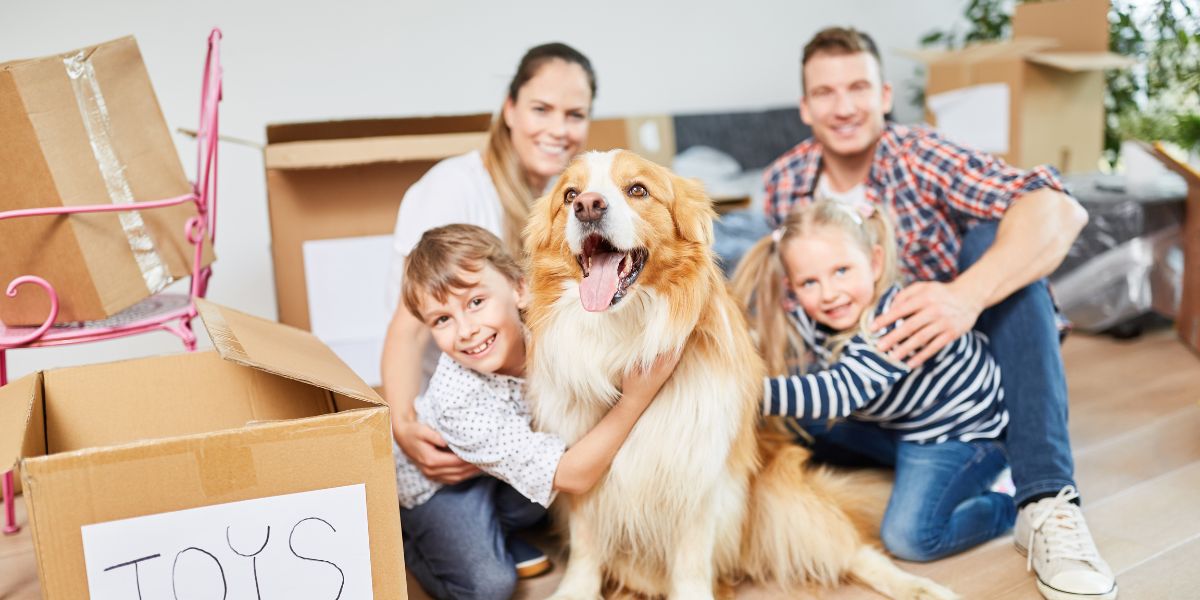
On Moving Day: Ensuring Their Safety
The big day is the most chaotic and potentially hazardous time for your pets. Their safety should be your top priority.
- Secure Them: The safest place for your pet on moving day is completely away from the action. This could be in their designated “safe haven” with the door securely shut and a clear sign that says, “DO NOT OPEN – PET INSIDE.” Alternatively, consider boarding them for the day or leaving them with a trusted friend or family member. If you hire a moving company, make sure they are aware of where the animals are and any other special information.
- Travel Safely: Whether you’re driving across town or flying across the country, ensure your pet is secure. In the car, this means a well-ventilated carrier strapped in with a seatbelt. For flights, check with your airline about their specific pet travel policies well in advance.
In the New Home: A Warm Welcome
You’ve made it! But for your pet, the journey is only half over. Helping them acclimate to the new space is the final, crucial step.
- Pet-Proof First: Before letting your pet out, do a quick sweep of the new home. Look for potential hazards like loose wires, toxic plants left behind, or small gaps where they could get stuck.
- Start with One Room: Just as you created a safe haven in the house you just sold, do the same in the new one. Set them up in a single room with their familiar bed, toys, and food. This allows them to adjust to the new smells and sounds from a secure spot before exploring the whole house.
- Update Their ID Immediately: Once you’re in, update your pet’s microchip and ID tags with your new address and phone number. This is a critical step in case they manage to slip out during the unpacking chaos.
- Be Patient and Present: It can take a few days or even a few weeks for a pet to feel comfortable in a new home. Be patient, offer lots of reassurance and praise, and spend quality time with them. Your calm and loving presence is the most comforting thing of all.
Moving with a pet requires extra steps, but seeing them happy and secure in your new home is worth every bit of effort. By focusing on their needs, you can ensure the whole family arrives ready to start your new chapter together.